
How Activity-Based Preschool Books Make Learning Enjoyable
Learn how activity-based preschool books make learning enjoyable through pictures, tracing, matching, conversation and hands-on practice.
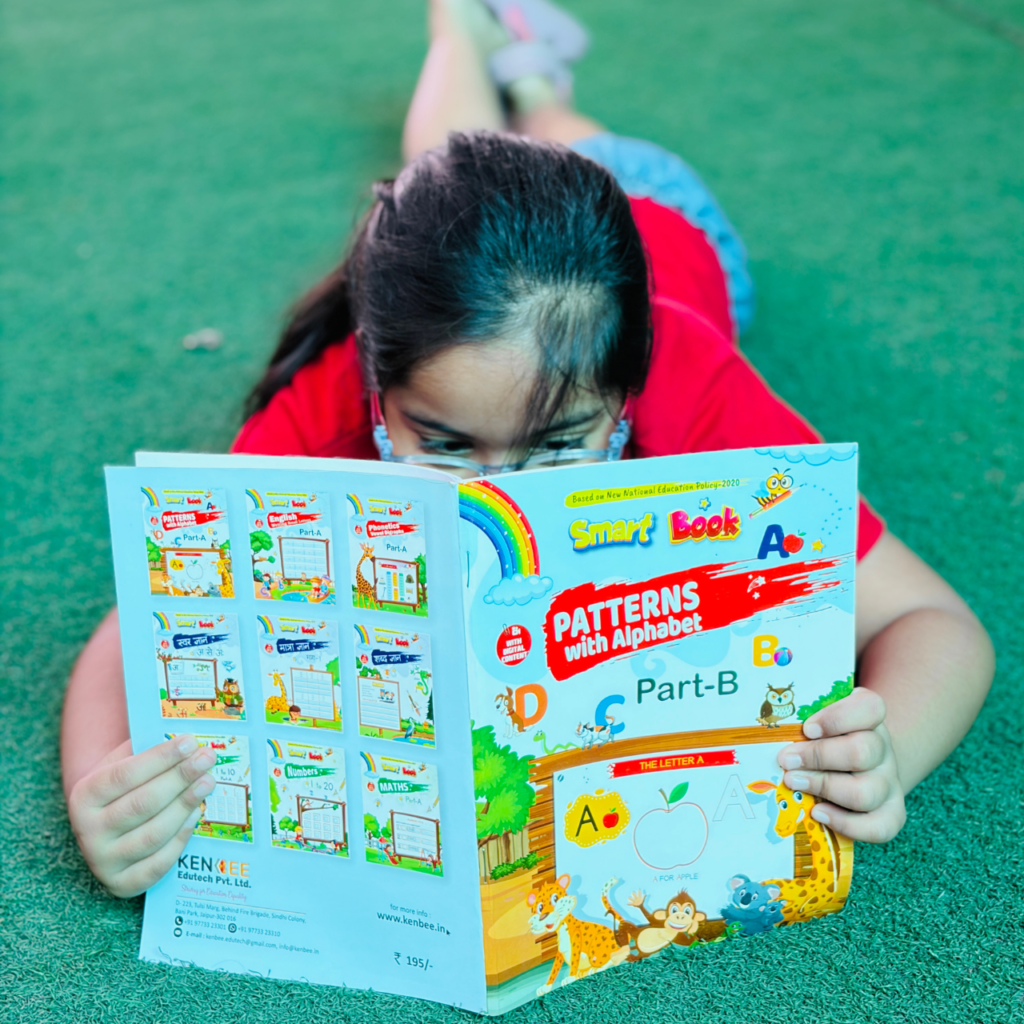
Young children learn best when they are actively involved. They enjoy looking at pictures, matching objects, tracing patterns, colouring, speaking, observing and solving simple tasks.
This is why activity-based preschool books are more effective than books that depend only on reading, copying or memorising.
For school owners and teachers, the right activity-based books can improve classroom participation, make lessons easier to understand and help children develop important early-learning skills.
What Is Activity-Based Learning?
Activity-based learning means teaching a concept through participation and practice.
Instead of only telling a child that a circle is round, the teacher may ask the child to:
- Identify circular objects
- Trace a circle
- Colour a ball
- Match similar shapes
- Find circles in the classroom
The child understands the concept through seeing, speaking and doing.
This makes learning more natural and easier to remember.
Activities Keep Children Interested
Preschool children have a limited attention span. Long explanations and repeated writing can quickly make them lose interest.
Activity-based books use a variety of exercises, such as:
- Matching
- Colouring
- Tracing
- Circling
- Sorting
- Counting
- Picture identification
- Completing patterns
- Simple puzzles
- Conversation questions
Different activities keep the lesson fresh and encourage children to participate.
When children enjoy the task, they are more likely to complete it with confidence.
Pictures Make Concepts Easier
Young children understand pictures before they can read full sentences.
A lesson on fruits, animals, transport or family becomes easier when supported by clear and familiar images.
Pictures help children connect words with real objects. They also encourage classroom conversation.
A teacher can ask:
- What do you see?
- What colour is it?
- Where is the child going?
- Which animal is bigger?
- What is happening in the picture?
Such questions improve vocabulary, observation and speaking skills.
Tracing and Writing Build Motor Skills
Before children can write letters and numbers properly, they need control over their hand and finger movements.
Activities such as tracing lines, curves, shapes and patterns help develop these skills.
A well-planned progression may begin with:
- Standing lines
- Sleeping lines
- Slanting lines
- Curves
- Simple patterns
- Shapes
- Letters and numbers
This gradual approach prepares children for handwriting without creating pressure.
Matching and Sorting Improve Thinking
Matching and sorting activities help children notice similarities and differences.
They may be asked to match:
- Animals with their homes
- Objects with their shadows
- Letters with pictures
- Numbers with quantities
- Shapes with similar objects
- Items that belong together
These exercises support logical thinking, memory and concentration.
They also help teachers understand whether the child has understood the concept.
Activities Encourage Independent Learning
At first, children complete activities with the teacher’s help. With regular practice, they begin to work more independently.
Simple instructions such as “circle the correct picture” or “match the same objects” help children understand and complete tasks on their own.
This builds confidence and prepares them for higher classes.
Independent activities also give teachers an opportunity to observe each child’s progress.
Repetition Becomes More Enjoyable
Young children need repetition to remember new concepts. However, repeating the same writing exercise again and again can become tiring.
Activity-based books revise a concept in different ways.
For example, a child may learn the letter A through:
- A picture of an apple
- Letter tracing
- Matching A with the correct picture
- Colouring an apple
- Identifying A among other letters
- Repeating words beginning with A
The concept is revised several times without making the lesson feel repetitive.
Activity-Based Books Support Different Learners
Every child learns differently.
Some children learn quickly through pictures. Some understand better by listening. Others need to trace, speak, point or perform an action.
Activity-based books support different learning styles by combining:
- Visual learning
- Listening
- Speaking
- Writing
- Observation
- Hands-on practice
This makes them useful in classrooms where children have different abilities and learning speeds.
Benefits for Teachers
A well-designed activity-based book gives teachers a ready structure for conducting lessons.
It can help teachers:
- Introduce concepts through pictures
- Start classroom conversations
- Provide guided practice
- Assign meaningful classwork
- Give suitable homework
- Revise lessons
- Assess understanding
Teachers spend less time preparing separate worksheets and more time interacting with children.
Benefits for School Owners
For school owners, activity-based books can support better teaching consistency across classrooms.
They help schools maintain:
- A planned learning sequence
- Similar activities across sections
- Age-appropriate practice
- Better child participation
- Easier progress monitoring
- Improved parent satisfaction
Parents are also more likely to appreciate books that clearly show what their child is learning and practising.
What Should Schools Check Before Selecting Books?
Activity-based books should not be chosen only because they are colourful.
School owners should check whether the activities are:
- Suitable for the child’s age
- Connected with the lesson
- Easy to understand
- Progressive across classes
- Clear and uncluttered
- Useful for learning
- Manageable for teachers and parents
Every activity should have a clear learning purpose.
How Kenbee Books Use Activity-Based Learning
Kenbee Books include engaging activities across Playgroup, Nursery, LKG and Prep.
The books use picture conversations, tracing, matching, colouring, writing, vocabulary exercises and concept-based practice.
The difficulty level increases gradually from basic observation and motor skills in Playgroup to reading, writing, phonics, language and Maths skills in higher preschool classes.
The activities are connected with textbook lessons, classwork, homework and workbook practice. This helps children learn one concept through several meaningful experiences.
Conclusion
Activity-based preschool books make learning enjoyable because children do not remain passive. They observe, speak, trace, match, colour, think and practise.
This improves understanding, participation and confidence.
For schools, the right activity-based books can make teaching more organised and learning more meaningful. When children enjoy the process, they are more likely to stay curious, remember concepts and develop a positive attitude towards education.
Frequently Asked Questions
Why are activity-based books useful in preschool?
They help children understand concepts through pictures, movement, conversation and practice instead of memorisation alone.
What activities should preschool books include?
Useful activities include tracing, matching, colouring, counting, sorting, picture identification, pattern completion and conversation questions.
Do activity-based books reduce the teacher’s workload?
Well-planned books provide ready classroom activities, classwork, homework and revision exercises, reducing the need for separate worksheets.
Are activity-based books suitable for all preschool classes?
Yes. The type and difficulty of activities should progress from Playgroup to Nursery, LKG and Prep.
You may also like
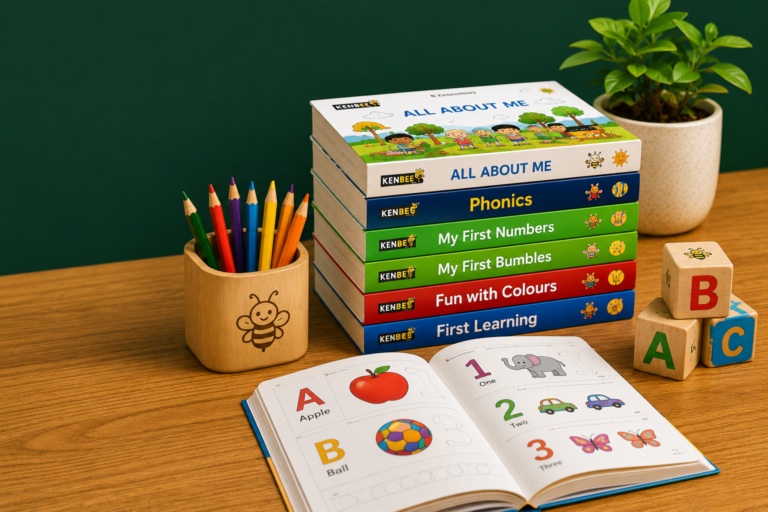
How Good School Books Can Improve Early Education in India
Learn how well-designed school books can improve early education in India by supporting children, teachers, parents and preschool management.
Read Article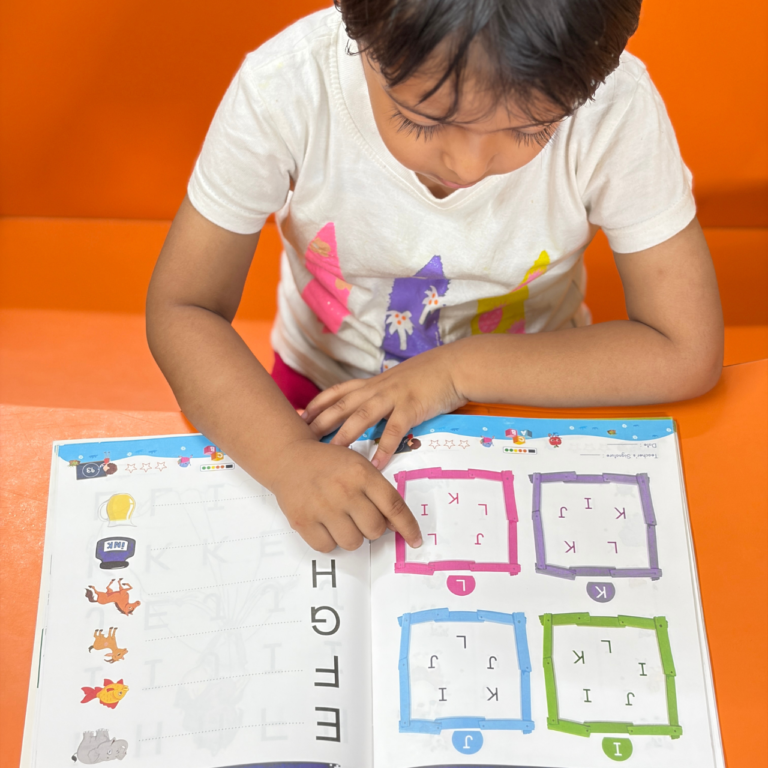
How Kenbee’s 4-in-1 Preschool Books Simplify Teaching and Learning
Discover how Kenbee’s 4-in-1 preschool books combine textbook lessons, classwork, homework and practice in one organised book for easier teaching and learning.
Read Article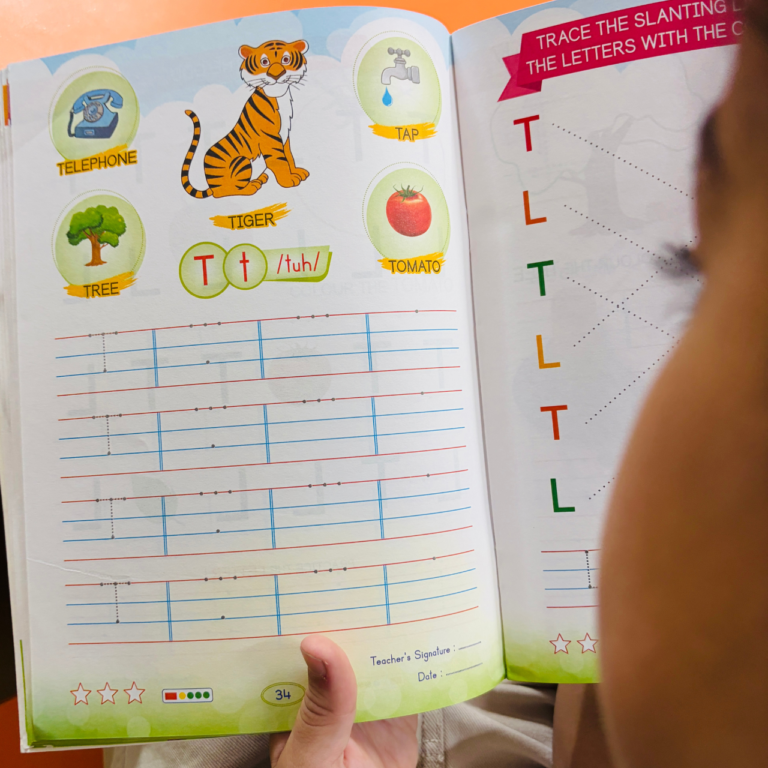
How Picture Books Improve Vocabulary in Young Children
Learn how picture books help young children build vocabulary, improve speaking skills and understand new words through images, repetition and conversation.
Read Article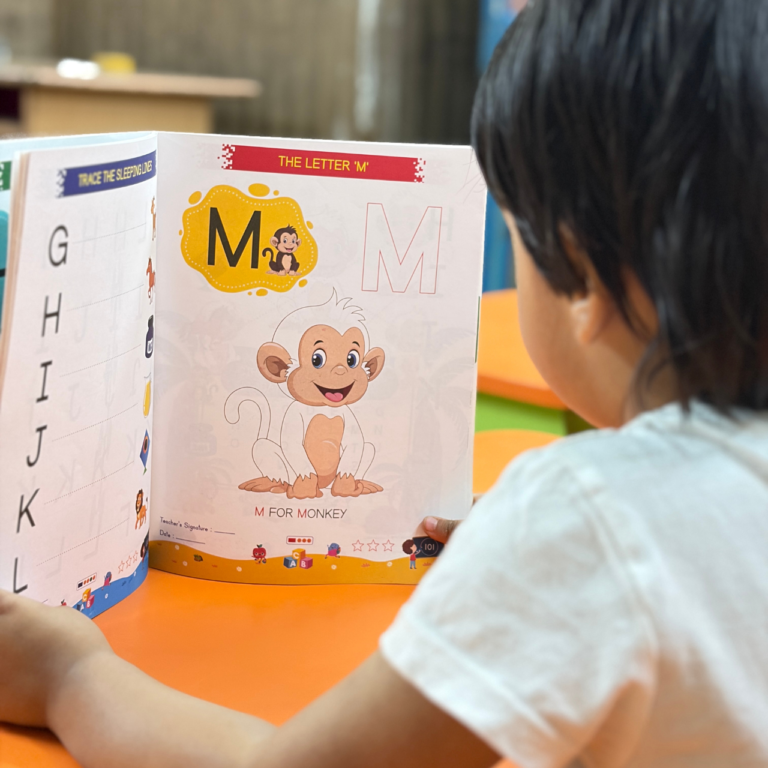
How to Choose the Right Books for Pre-school
Learn how to choose the right preschool books for Playgroup, Nursery, LKG and Prep. A practical guide for school owners on content, progression, activities…
Read Article