
How Good School Books Can Improve Early Education in India
Learn how well-designed school books can improve early education in India by supporting children, teachers, parents and preschool management.
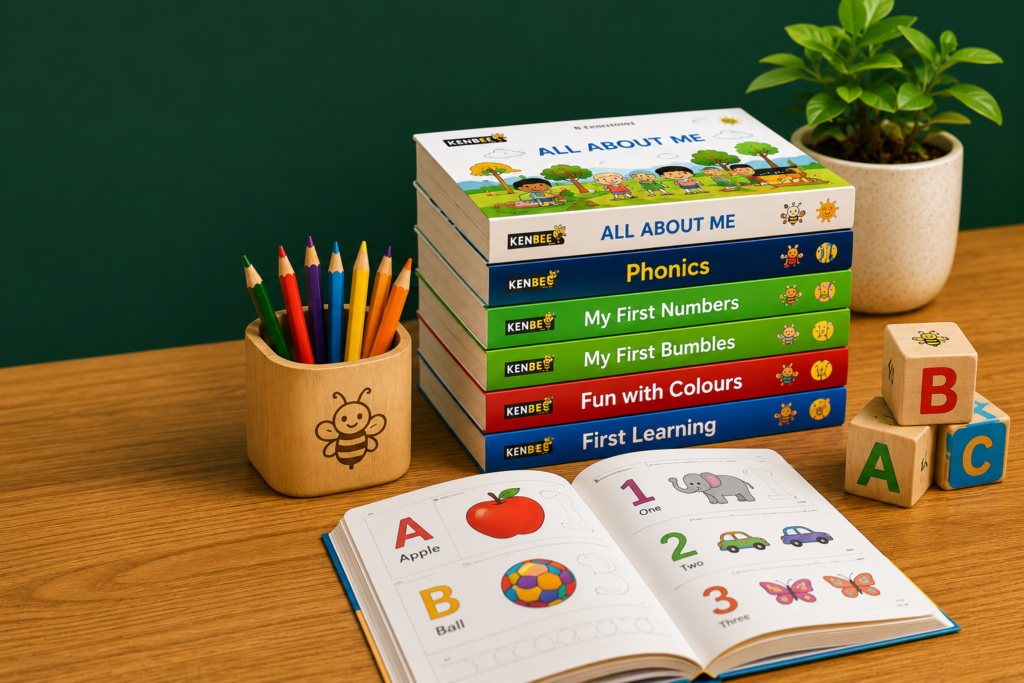
Early education builds the foundation for a child’s future learning. During the preschool years, children begin developing language, number skills, observation, communication, confidence and social understanding.
Teachers and parents play the most important role in this journey. However, the quality of school books also makes a major difference.
Good preschool books do more than teach alphabets and numbers. They guide teachers, engage children, support parents and help schools maintain a clear learning path from Playgroup to Prep.
Books Should Match the Child’s Age
Children between two and six years cannot be taught in the same way.
A Playgroup child may be learning to hold a pencil, recognise pictures and follow simple instructions. A Prep child may be reading short sentences, solving basic sums and preparing for Class 1.
Good school books respect these developmental stages.
They introduce concepts gradually:
- Playgroup builds observation, vocabulary and motor skills.
- Nursery introduces letters, numbers, shapes and basic writing.
- LKG develops phonics, word formation, Hindi and early Maths.
- Prep strengthens reading, writing, grammar and school readiness.
When books follow a clear progression, children learn without unnecessary pressure.
Activity-Based Books Make Learning Enjoyable
Young children learn better by doing.
Books that include matching, colouring, tracing, sorting, counting and picture conversations make the classroom more active. They allow children to participate instead of simply listening or copying.
For example, a lesson on animals can include picture identification, matching animals with their homes, colouring and simple oral questions.
This improves understanding while keeping children interested.
Good activities also develop concentration, memory, pencil control and independent thinking.
Pictures Improve Understanding and Vocabulary
Many preschool children understand pictures before they can read complete words or sentences.
Clear and familiar images help them connect new words with real objects and situations. A picture of a kitchen, market, classroom or playground can introduce several useful words naturally.
Teachers can ask children what they see, what is happening and which objects they recognise.
This improves:
- Vocabulary
- Speaking skills
- Listening
- Observation
- Sentence formation
For Indian children, books should include familiar surroundings, food, clothing, festivals and everyday experiences.
A Clear Curriculum Helps Teachers
Preschool teachers spend considerable time deciding what to teach, which activity to conduct and what homework to assign.
Well-planned books can reduce this burden.
A structured book series provides:
- A clear lesson sequence
- Guided classroom activities
- Suitable classwork
- Simple homework
- Revision exercises
- Progress checks
This helps teachers focus more on children and less on preparing worksheets every day.
It is especially useful for schools with several sections. All teachers can follow the same learning path while adapting classroom discussions to their students.
Good Books Reduce Rote Learning
Early education in India has often depended heavily on copying and memorising.
Children may be asked to write the same letter or number many times without understanding its meaning. This can make learning tiring and reduce curiosity.
Good preschool books combine practice with understanding.
A child may learn a letter through its sound, a picture, tracing, matching and word recognition. A number may be taught through objects, counting and comparison before writing practice begins.
This creates stronger learning than memorisation alone.
Integrated Books Improve Continuity
When schools use separate textbooks, notebooks and worksheets, activities may not always follow the same lesson order.
Integrated books can connect:
- Concept introduction
- Classwork
- Homework
- Revision
- Assessment
This makes the learning journey easier to follow.
Children practise the same concept in different ways. Parents can also understand what was taught in school and how it should be revised at home.
Better Books Support Teachers and Parents Together
Parents want to support their children, but they may not know the method used in the classroom.
A clear and organised book helps them review completed work and guide the child without introducing a different approach.
It also improves parent-teacher communication. During meetings, teachers can show the child’s classwork, homework and progress through the same book.
This creates greater transparency and parent confidence.
Smaller Books Are Easier for Young Children
Preschool books should be designed for small hands.
Very thick, heavy or oversized books can be difficult to carry and use. Dividing a subject into smaller parts allows children to carry only the portion currently being taught.
This can reduce school-bag weight and make books easier to handle.
Page design also matters. Good preschool books should have:
- Clear fonts
- Adequate writing space
- Large and meaningful pictures
- Simple instructions
- Uncluttered layouts
- Age-appropriate exercises
Good Books Can Improve School Quality
The books used by a preschool influence the experience of children, teachers and parents.
A well-designed curriculum can help schools achieve:
- Better classroom participation
- More consistent teaching
- Easier progress monitoring
- Reduced teacher workload
- Improved parent satisfaction
- Smoother preparation for higher classes
School owners should therefore review the complete book series rather than selecting books only on price or appearance.
They should also check whether the publisher offers sample books, teacher support and curriculum guidance.
How Kenbee Books Support Early Education
Kenbee Books are designed for Playgroup, Nursery, LKG and Prep with a progressive learning approach.
Each subject is divided into smaller parts for easier handling. The books combine textbook learning, classwork, homework and workbook practice in one planned sequence.
They include engaging exercises, picture-based learning, vocabulary development and handwriting-friendly fonts. Predefined lesson plans help teachers organise the academic year, while teacher training supports proper curriculum implementation.
The aim is to make teaching more efficient and learning more enjoyable for young children.
Conclusion
Improving early education in India requires trained teachers, supportive parents and child-friendly schools. Good school books can bring all three together.
They provide structure for teachers, meaningful activities for children and clarity for parents.
When books are age-appropriate, progressive and activity-based, children learn with greater confidence and interest. For school owners, choosing the right books is therefore not only a purchase decision. It is an important step towards improving the overall quality of early education.
Frequently Asked Questions
Why are good books important in early education?
Good books provide age-appropriate concepts, engaging activities and a clear learning sequence for children and teachers.
What should school owners check before selecting preschool books?
They should check age suitability, class-wise progression, activity quality, page design, teacher support and ease of use.
Can good books reduce teachers’ workload?
Yes. Structured books with planned classwork, homework and revision activities reduce the need to prepare separate material daily.
How do good books improve parent satisfaction?
They help parents understand what their child is learning and make progress easier to review.
You may also like
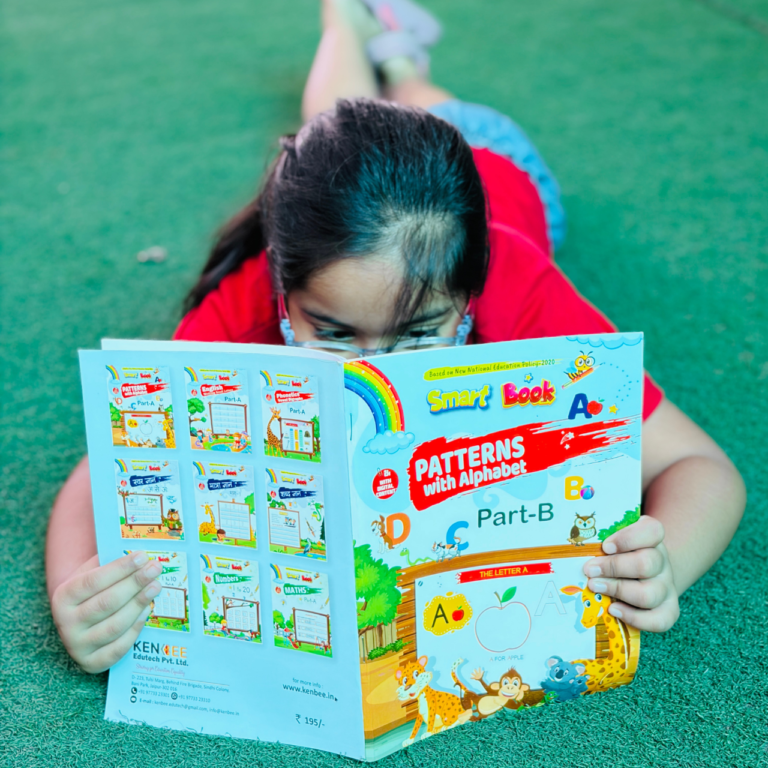
How Activity-Based Preschool Books Make Learning Enjoyable
Learn how activity-based preschool books make learning enjoyable through pictures, tracing, matching, conversation and hands-on practice.
Read Article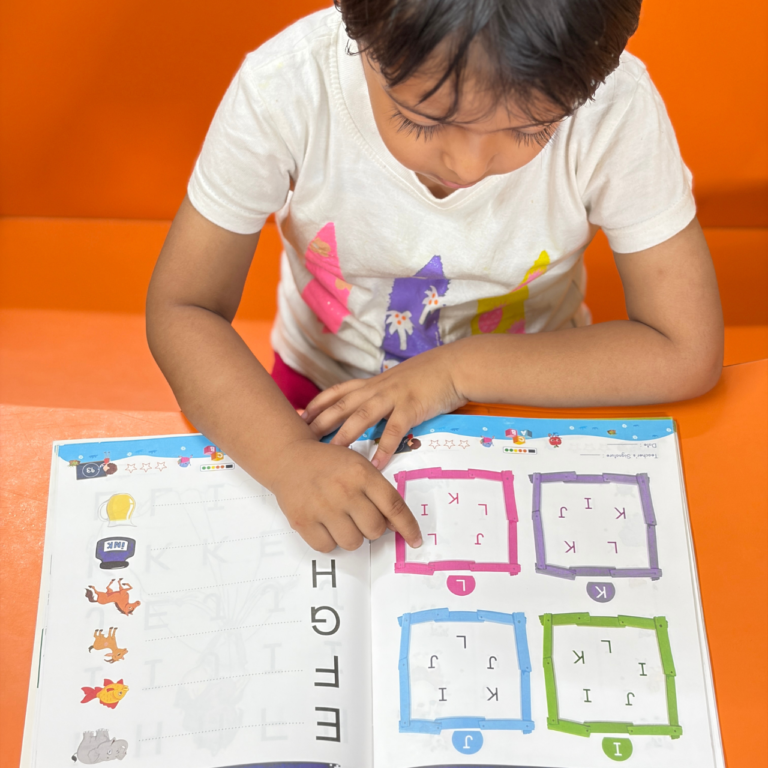
How Kenbee’s 4-in-1 Preschool Books Simplify Teaching and Learning
Discover how Kenbee’s 4-in-1 preschool books combine textbook lessons, classwork, homework and practice in one organised book for easier teaching and learning.
Read Article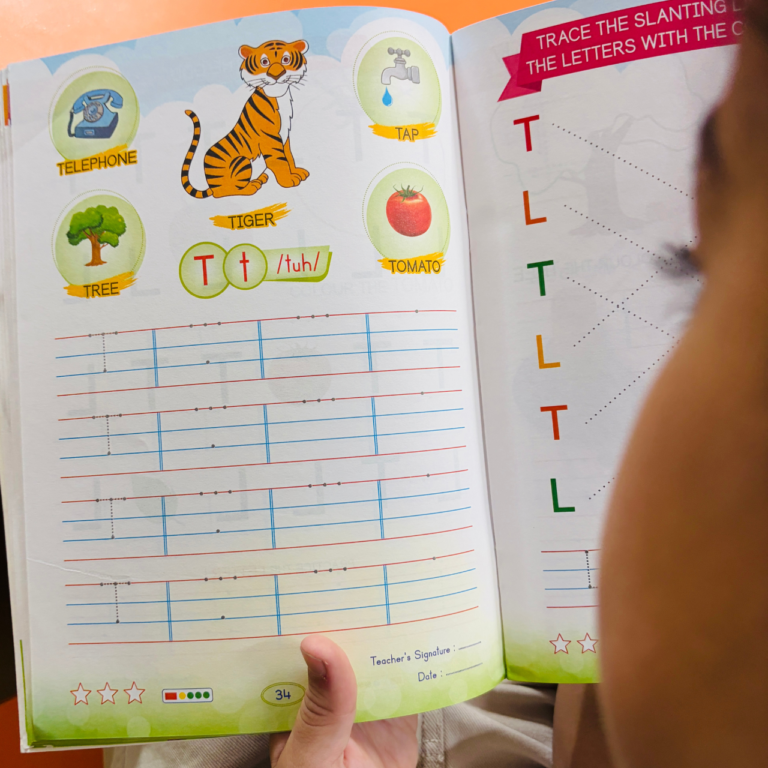
How Picture Books Improve Vocabulary in Young Children
Learn how picture books help young children build vocabulary, improve speaking skills and understand new words through images, repetition and conversation.
Read Article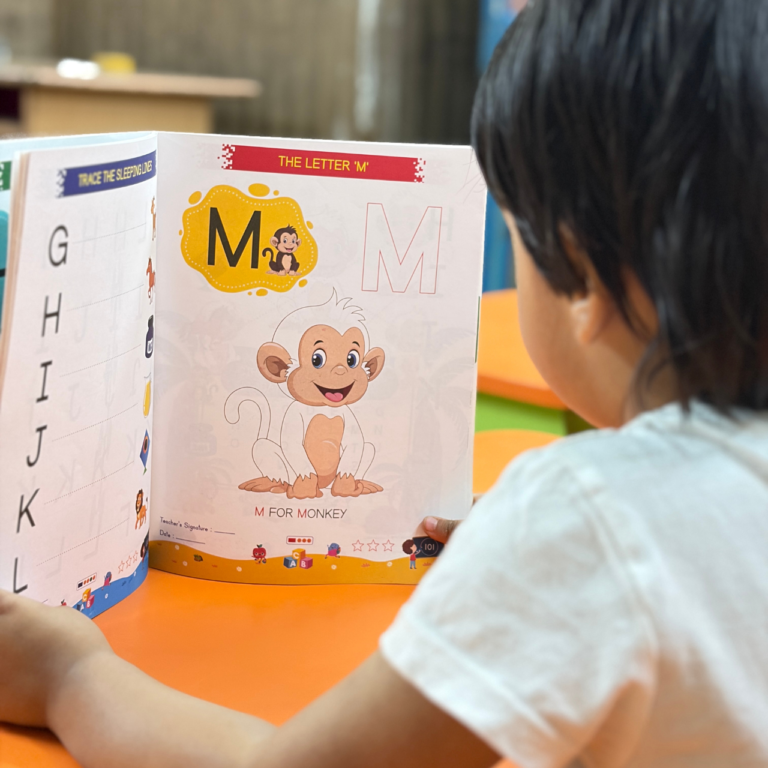
How to Choose the Right Books for Pre-school
Learn how to choose the right preschool books for Playgroup, Nursery, LKG and Prep. A practical guide for school owners on content, progression, activities…
Read Article