
How Picture Books Improve Vocabulary in Young Children
Learn how picture books help young children build vocabulary, improve speaking skills and understand new words through images, repetition and conversation.
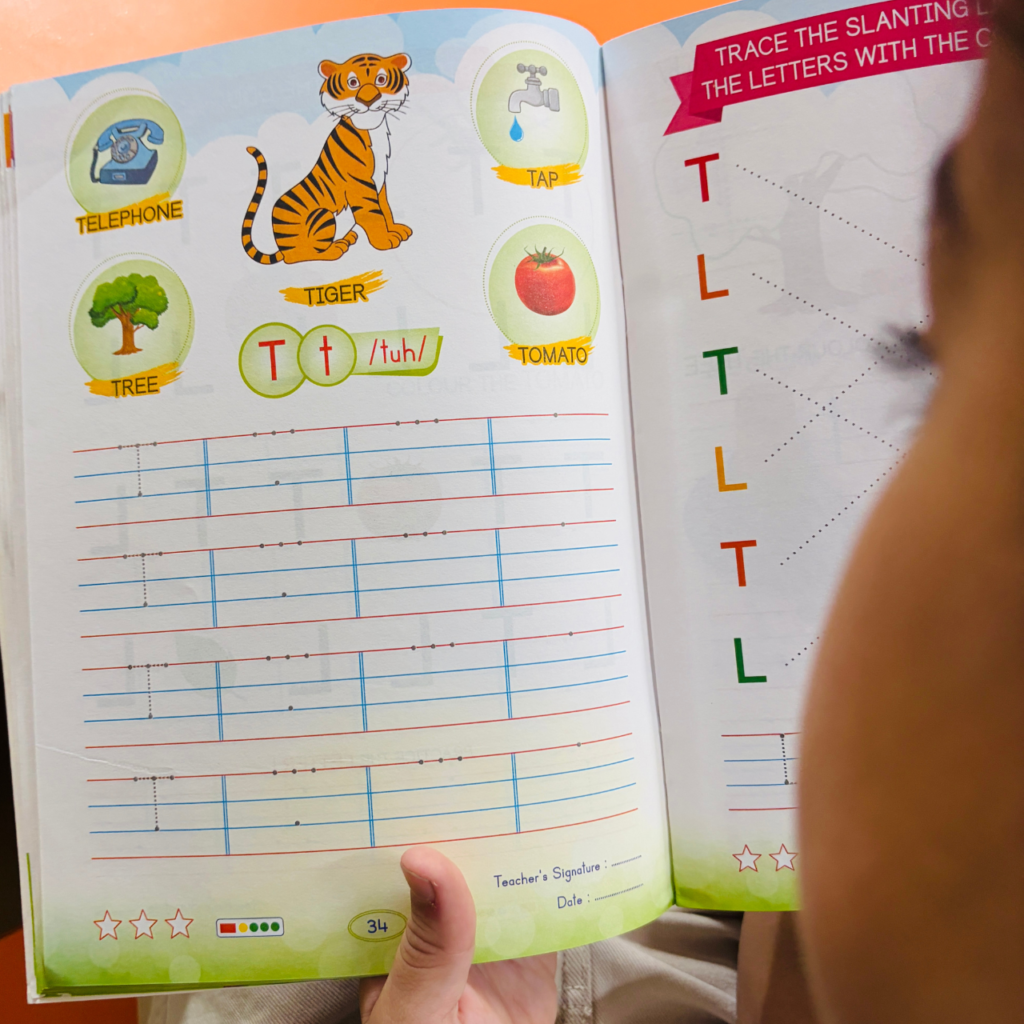
Young children learn many of their first words by looking, listening and speaking. Before they can read complete sentences, they understand the world through pictures, expressions, sounds and simple conversations.
This is why picture books play an important role in preschool education. They help children connect words with objects, actions, emotions and everyday situations. A well-designed picture book can make vocabulary learning natural, enjoyable and easy to remember.
For school owners and teachers, picture-based learning is not just an attractive classroom activity. It is an effective way to strengthen language development during the early years.
Pictures Make New Words Easier to Understand
Young children may not understand the meaning of a new word through explanation alone.
For example, if a teacher says the word “nest,” some children may not know what it means. But when they see a picture of a bird sitting in a nest, the meaning becomes clear.
Pictures give children a visual clue. They help them connect:
- A word with an object
- An action with its meaning
- An emotion with a facial expression
- A place with its surroundings
- A concept with a real-life situation
This connection helps children understand and remember new words more easily.
Picture Books Introduce Words in Context
Children learn better when words are used within a meaningful situation.
A page showing a family eating breakfast can introduce words such as:
- Plate
- Spoon
- Glass
- Bread
- Milk
- Table
- Chair
- Kitchen
Instead of learning these words separately, children see how they are connected. They begin to understand where the objects are used and how they relate to daily life.
Learning words in context also helps children use them correctly while speaking.
Repetition Builds Stronger Memory
Good preschool picture books repeat important words across lessons and activities.
A child may first see the word “apple” in a fruit lesson. The same word may appear later in a colouring activity, a matching exercise, a rhyme or a conversation question.
This repetition strengthens memory without making learning feel boring.
Children often need to hear and use a word several times before it becomes part of their regular vocabulary. Picture books provide repeated exposure in different ways.
Pictures Encourage Children to Speak
Picture books create opportunities for classroom conversation.
A teacher can show a picture and ask:
- What do you see?
- Who is in the picture?
- What is the child doing?
- What colour is the ball?
- Where is the dog sitting?
- How does the girl feel?
- What may happen next?
These questions encourage children to observe, think and answer in their own words.
Even children who are not yet confident speakers can begin with one-word answers. Gradually, they move towards short phrases and complete sentences.
For example:
“Dog.”
“The dog is running.”
“The brown dog is running in the park.”
This natural progression improves both vocabulary and sentence formation.
Picture Books Improve Listening Skills
When a teacher reads a picture book aloud, children listen to new words, sounds and sentence patterns.
They also learn to:
- Follow a sequence
- Understand simple instructions
- Recognise repeated words
- Listen for important details
- Connect spoken words with pictures
Listening is an important part of language development. Children usually hear and understand words before they begin using them confidently.
Regular picture-book reading supports this process.
Children Learn Action Words Through Images
Action words can sometimes be difficult to explain without a visual example.
Pictures can clearly show actions such as:
- Running
- Jumping
- Eating
- Sleeping
- Washing
- Clapping
- Laughing
- Crying
- Throwing
- Catching
When children see these actions, they understand the words more quickly. Teachers can also ask children to copy the action, making the lesson more active and memorable.
Picture Books Help Teach Describing Words
Pictures are useful for teaching words that describe colour, size, shape, number and feeling.
For example, one picture may help children learn:
- Big elephant
- Small mouse
- Red balloon
- Round ball
- Tall tree
- Happy child
- Soft toy
- Three flowers
These describing words help children speak with greater detail.
Instead of saying, “I see a car,” a child may learn to say, “I see a big red car.”
Familiar Pictures Build Confidence
Children respond well to pictures of familiar people, places and objects.
These may include:
- Family members
- School
- Home
- Playground
- Market
- Animals
- Food
- Clothes
- Toys
- Festivals
- Means of transport
When children recognise something in a picture, they feel confident enough to speak about it. Familiar images also help connect classroom learning with real life.
For Indian preschool children, pictures should include people, surroundings, food, clothing and experiences they can easily recognise.
Story Pictures Improve Thinking and Expression
Picture stories help children understand the order of events.
A simple story may show:
- A child planting a seed
- The child watering it
- A small plant growing
- A flower blooming
Teachers can ask children to describe each picture and arrange the events in the correct order.
This develops:
- Vocabulary
- Observation
- Memory
- Logical thinking
- Sentence formation
- Storytelling skills
Children also learn words such as first, next, then and finally.
Picture Books Support Different Learners
Not every child learns in the same way.
Some children understand quickly through listening. Others need to see the concept. Some children learn best when they speak, point, match or act.
Picture books support different learning styles by combining:
- Visual learning
- Oral conversation
- Listening
- Reading readiness
- Hands-on activities
This makes them useful in classrooms with children of different abilities and learning speeds.
How Teachers Can Use Picture Books Effectively
Simply showing a picture is not enough. Teachers should use it to start a meaningful conversation.
A useful picture-book activity may follow these steps:
1. Let Children Observe
Give children a few moments to look at the complete picture.
2. Ask Simple Questions
Begin with questions that can be answered using one or two words.
3. Introduce New Vocabulary
Point to each object or action and say the word clearly.
4. Repeat the Words
Encourage the class to repeat important words together.
5. Use the Words in Sentences
Show children how each word can be used in a simple sentence.
6. Connect the Picture with Real Life
Ask whether children have seen or experienced something similar.
7. Revise Later
Use matching, colouring, storytelling or writing activities to revise the same words.
What School Owners Should Check in Picture Books
When choosing picture books or preschool course books, school owners should look beyond bright colours and decorative pages.
The pictures should be:
- Clear and easy to recognise
- Suitable for the child’s age
- Related to the lesson
- Familiar to Indian children
- Free from unnecessary visual clutter
- Large enough for classroom discussion
- Supported by useful words and activities
The book should also provide teachers with questions or activity ideas. This makes picture-based learning more structured and consistent across classrooms.
How Kenbee Books Support Vocabulary Development
Kenbee Books include picture-based lessons, conversation opportunities and additional words to learn with each topic.
The vocabulary progresses across Playgroup, Nursery, LKG and Prep. Younger children begin with familiar objects and simple words. As they move to higher classes, they learn action words, describing words, short phrases and complete sentences.
The activities are designed to support observation, speaking, listening, reading readiness and writing. This helps teachers build language skills gradually instead of asking children to memorise long word lists.
Conclusion
Picture books help young children understand new words by connecting language with what they can see and recognise.
They improve vocabulary through pictures, repetition, conversation, stories and classroom activities. They also help children become better listeners, confident speakers and more curious learners.
For preschool schools, well-planned picture books can make language learning more engaging and organised. The right pictures do more than decorate a page. They help children understand, remember and use new words in everyday life.
Frequently Asked Questions
How do picture books help children learn new words?
Picture books connect words with visible objects, actions and situations. This makes the meaning easier to understand and remember.
At what age should children start using picture books?
Children can begin looking at simple picture books from a very young age. Structured picture-based learning becomes especially useful during Playgroup, Nursery, LKG and Prep.
Should teachers read the same picture book more than once?
Yes. Repeated reading helps children recognise words, remember meanings and become more confident in speaking.
Are picture books useful even when children cannot read?
Yes. Children can learn vocabulary by observing pictures, listening to the teacher and answering simple questions before they are able to read independently.
What makes a good preschool picture book?
A good picture book has clear images, simple language, familiar situations, age-appropriate vocabulary and enough opportunities for conversation and activity.
You may also like
How Good School Books Can Improve Early Education in India
Learn how well-designed school books can improve early education in India by supporting children, teachers, parents and preschool management.
Read Article
How Activity-Based Preschool Books Make Learning Enjoyable
Learn how activity-based preschool books make learning enjoyable through pictures, tracing, matching, conversation and hands-on practice.
Read Article
How Kenbee’s 4-in-1 Preschool Books Simplify Teaching and Learning
Discover how Kenbee’s 4-in-1 preschool books combine textbook lessons, classwork, homework and practice in one organised book for easier teaching and learning.
Read Article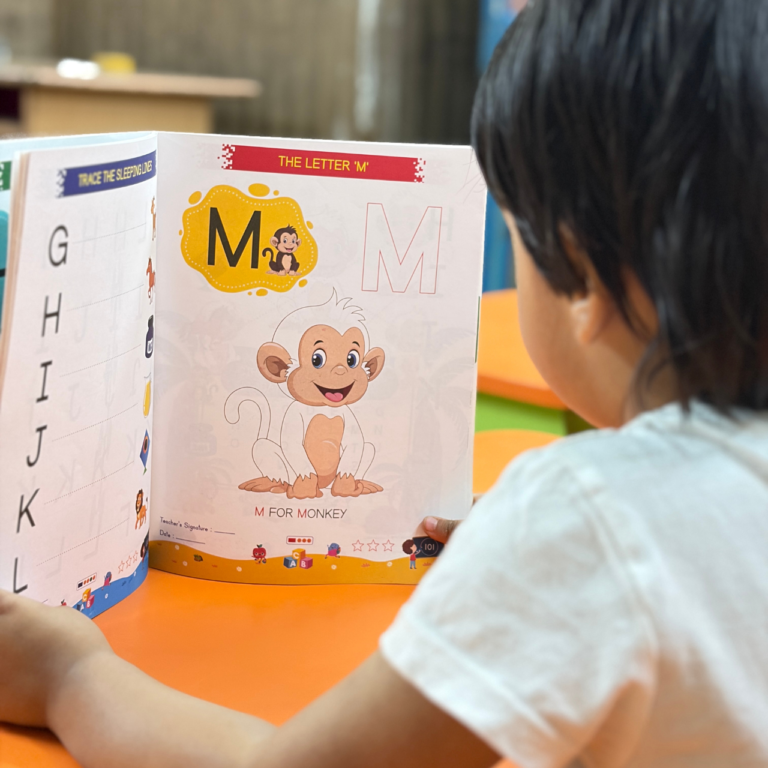
How to Choose the Right Books for Pre-school
Learn how to choose the right preschool books for Playgroup, Nursery, LKG and Prep. A practical guide for school owners on content, progression, activities…
Read Article